







How The Social Proxy launched a proxy shop wired to its own devices in a month, and kept Provis on for six years.
The Social Proxy sells 4G and 5G mobile proxies. In 2018 Provis built its whole site from scratch: the shop, and the backend that connects it to the company's proxy devices. Provis supported it until 2024, then redesigned the whole site. The current thesocialproxy.com is shown here.
- WooCommerce shop
- Device APIs
- 2024 redesign


 Client: Roee KlingerChief Technology Officer, The Social Proxy
What Provis delivered, and how long the client stayed.
Sources: build time from The Social Proxy's CTO; years, regions and dates from Provis.
- 1 month
- to build and launch the shop
- from the brief to a live shop, in 2018
- 6 years
- of support from Provis
- second line behind the client's own team, 2018 to 2024
- +3
- regions added after launch
- the EU, the UK and the US, after Israel
- 2024
- whole site redesigned by Provis
- with a new pricing builder, built by Provis
At a glance
- Problem
Every sale had to reach one of the company's own proxy devices and come back as a working proxy. No off-the-shelf shop could do that.
- Solution
A WooCommerce shop linked to the devices through APIs, with a customer dashboard, a customer API and a mobile app.
- Result
Live in a month, supported by Provis until 2024, then redesigned.
- Client
- The Social Proxy (thesocialproxy.com)
- Industry
- Data and proxies: 4G and 5G mobile proxies
- Market
- Israel first, then the EU, UK and US
- Platform
- Shop, customer dashboard, customer API, mobile app, website
- Services
- eCommerce development, device APIs, mobile app, website redesign
- Built with
- WordPress and WooCommerce (2018 build and 2024 redesign), React, proxy-device APIs
- Engagement
- 2018 to 2024: build, extensions and L2 support, then the redesign
- Support
- Second line (L2), 2018 to 2024, behind the client's own team
It took a month to build and launch the site. Provis Technologies was tech-savvy, understanding all technologies involved and picking up new ones when necessary.
Every sale had to reach a physical device and come back as a working proxy.
The Social Proxy builds and runs its own 4G and 5G proxy devices, for customers who run automation and data tools. In 2018 it asked Provis for a shop where those customers could buy proxies themselves, which meant designing the whole route below.
How a proxy sale works, as Provis built it
- Customer picks a plan4G or 5G, and a location
- Pays in the shopa WooCommerce checkout
- Order reaches the devicesthrough the backend APIs
- Proxy set upon its own, through the device APIs
- Customer dashboardevery proxy managed in one place
- Customer's own toolsproxies rebooted and managed through the API or the app
Taking the payment was the easy part. Having a working proxy at the end of it was the hard part.
-
Nothing to copy
No shop like this existed: each sale had to talk to physical proxy devices, not just a stock count.
What Provis builtA backend that links the devices to the shopDesigned from scratch: APIs connect the company's proxy devices to the web interface, so the shop sells what the devices can provide.
-
Set-up had to be instant
Proxy buyers want to start the moment they pay. If set-up waited on a person, every order would sit in a queue.
What Provis builtSet-up that runs itselfPayment triggers set-up through the device APIs, with no one on The Social Proxy's team handling the order. As Provis built it, a paid proxy was working within two minutes.
-
Customers who live in their own tools
Proxy buyers run automation and data tools all day. Going back to a website to reboot or change each proxy slowed them down.
What Provis builtA customer API and a mobile appCustomers reboot and manage their proxies from their own applications, or from a mobile app, instead of returning to the website each time.
-
A business that would not stay in one country
The first phase served Israel only, but more coverage was always the plan.
What Provis builtNew regions and 5G, added to the same platformThe first phase was built so coverage could be added later. That is how the same platform reached the EU, the UK and the US, and moved from 4G to 5G.
Built in 2018, supported until 2024, then redesigned.
- 2018: the briefA shop for proxy buyers, and a backend linking it to the proxy devices
- 2018: built and launchedIn a month, with QA at every stage, for 4G proxies in Israel
- 2018 to 2024: extended5G, new regions, a customer API, a mobile app and an affiliate programme
- 2018 to 2024: L2 supportSecond-line maintenance, feature work and customer support behind the client's own team
- 2024: redesignThe whole site redesigned, with a new pricing builder
-
The backend: APIs connect the company's proxy devices to the web shop, so the shop sells what the devices can provide.
-
The first build: done in a month, with QA at every stage, for 4G proxies in Israel.
-
Extended: 5G, new regions, a customer API, a mobile app and an affiliate programme on the same platform.
-
Support and redesign: second-line support behind the client's own team until 2024, then the whole site redesigned with a new pricing builder.


Connected, not manual:
A paid order sets up its own proxy.
Payment triggers set-up through the device APIs, with no one on The Social Proxy's team handling the order. As Provis built it, a paid proxy was working within two minutes.
Orders reach the proxy devices through APIs.
Customers manage their proxies through an API of their own, or a mobile app.
How Provis builds online storesA new site around the same shop.
In 2024 Provis redesigned the whole site and kept the WooCommerce shop it had built in 2018, rather than rebuilding it. The redesign added a pricing builder.
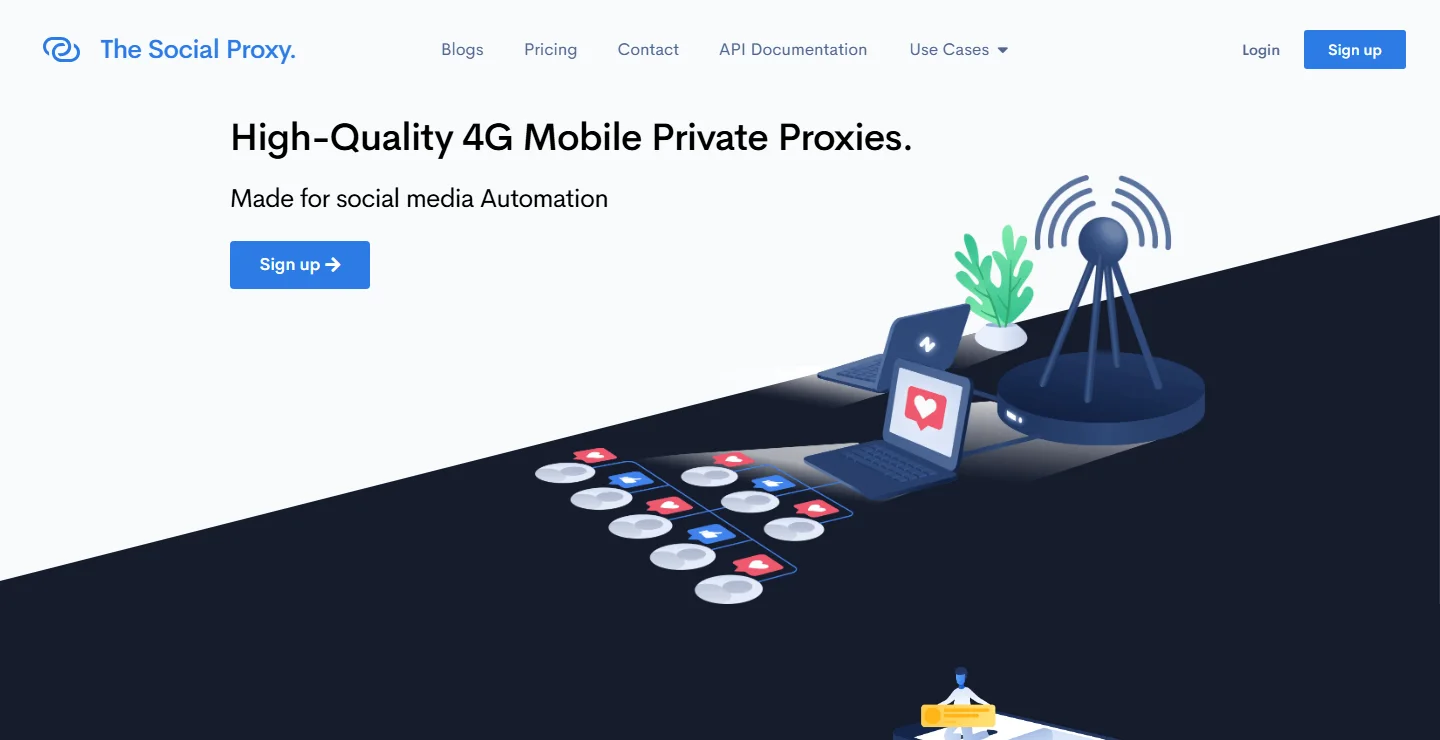
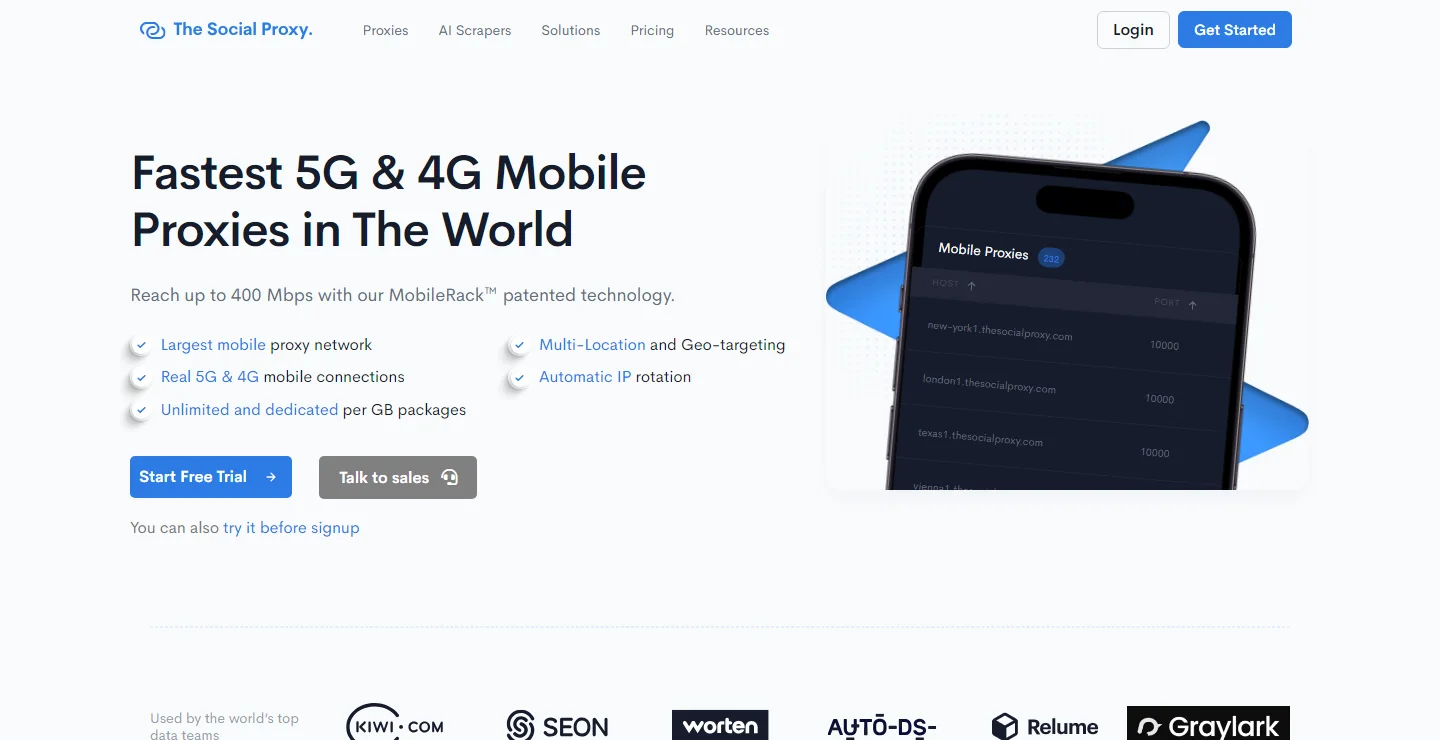

New in 2024: a pricing builder, built by Provis
- Bill per proxy or per usetwo pricing models in one checkout
- Proxies per 5G regionNew York, Texas, Florida, the UK, Austria, Israel and Portugal
- Any payment cadencefrom two days to a year
Screens captured from thesocialproxy.com on 8 October 2026, two years after Provis's redesign. Prices and plans are The Social Proxy's own.
After launch
What the support covered.
From launch in 2018 until 2024, Provis was the second line of support: L2 maintenance for feature development and technical issues, and L2 customer support behind The Social Proxy's own front-line team.
Ways to work with Provis
- A projectwe scope it, build it, launch it and support itThe Social Proxy: the 2018 build and the 2024 redesign
- Support and maintenancemonitoring, fixes and regular updates after launchThe Social Proxy: 2018 to 2024
- A dedicated teamengineers, designers or QA who join your sprints
- CTO as a Servicetechnical strategy and architecture when you need it
Provis still runs TrueWholesale's B2B ordering platform today, and has supported The Vault's SaaS platform for more than ten years.
How every Provis project runs
- One project leadyour single point of contact
- A written weekly update and a demoof what was built that week
- A staging link and your repoyou see the work as it is built; the code goes straight into your repo
- QA before launchour QA team tests every feature
- Yours from day onecode repo, cloud account and domain in your company's name; our team joins as collaborators, and you can remove access at any time
- Our team works in India, on ISTUTC+5:30: 1.5 hours ahead of Dubai, 4.5 ahead of London (5.5 in winter), 9.5 ahead of New York (10.5 in winter)
Selling something that needs infrastructure behind the checkout?
Tell us what has to happen after someone pays, or bring a sketch of it to the call. We will come back within two working days with an approach, a rough timeline and a rough cost range. No charge, no commitment.
Selling licences, devices or access, billing per use, or running a store whose orders must reach an ERP, warehouse or POS? The pattern is the same: the checkout hands the order to the system that fulfils it, with no one re-keying it.
 WhatsApp us
Send us a message
indicates a required field