







How Electric Sailboat Depot got its sailing community platform built with “no surprises”.
Electric Sailboat Depot helps sailors replace diesel engines with electric ones. Its founder brought a written scope. Provis designed the platform in Figma, built it in pieces he could test, and still supports it.
- Responsive web app
- Designed in Figma by Provis


The Electric Sailboat Depot homepage, from an archived capture.
 Client: Andrew WardFounder, ElectricSailboat-Depot.com, New Jersey
How the founder rated Provis on Clutch.
Scores and comments from Andrew Ward's verified review of Provis on Clutch (opens in a new tab). Provis's overall Clutch rating: 5.0 from 12 reviews.
- 5.0/5
- quality
- “Everything works as expected.”
- 5.0/5
- schedule
- “Their work is completed on agreed upon times.”
- 5.0/5
- cost
- “Great value.”
- 5.0/5
- willing to refer
- “I can recommend Provis without any reservations.”
At a glance
- Problem
Sailors thinking of going electric had no single place to see conversions, ask people who had done one, learn the basics or find vendors.
- Solution
A responsive web app, designed and built by Provis: a searchable boat gallery, groups with messaging, video tutorials, a vendor directory and a blog.
- Result
Launched, and still extended and supported by Provis. The founder: “I am very satisfied, and will continue to use them.”
- Client
- Electric Sailboat Depot (ElectricSailboat-Depot.com)
- Industry
- Community platform for sailors (electric propulsion)
- Market
- United States (New Jersey)
- Services
- UI/UX design, SaaS development, maintenance
- Built with
- Laravel, Next.js, AWS, Vimeo; designed in Figma
- Engagement
- Ongoing: maintenance, fixes and new features
- Support
- A reply within one working day (IST)
- Owned by the client
- Code repo, AWS account and domain, in Electric Sailboat Depot's name
They understood my needs and vision and created my app with no surprises. The quality of their work is top-notch.
A written scope, and a third developer.
Andrew Ward started Electric Sailboat Depot to promote electric propulsion in sailboats “with a visual database of EP sailboats”. Sailors who want to swap a noisy diesel engine for an electric motor had no single place to see conversions, ask questions or find suppliers.
He had a written scope for the platform. Provis was the third developer he had worked with on the app, and built it as a new project: from that scope and its own Figma design, not on earlier code.
Before a sailor replaces an engine, they want to see it done, ask someone who did it, and know who to buy from.
Four gaps, one platform.
Each part of the platform answers one of these gaps.
-
Hard to picture the result
Few sailors have seen an electric conversion. Without examples, the switch feels like a gamble.
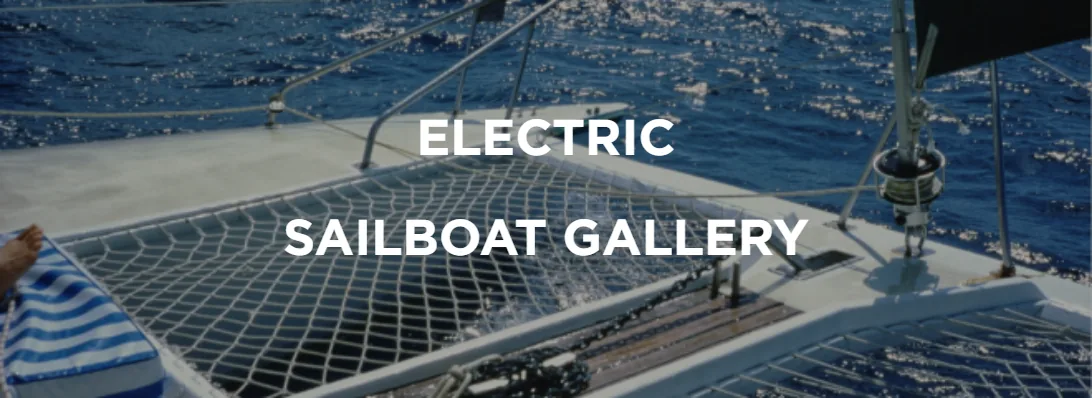
What Provis builtA searchable gallery of converted boatsPictures and video of sailboats in every phase of conversion, each with its owner's journey. Sailors search for boats like theirs, and owners add their own.
-
No one to ask
Sailors had few places to compare notes with people who had already made the switch.
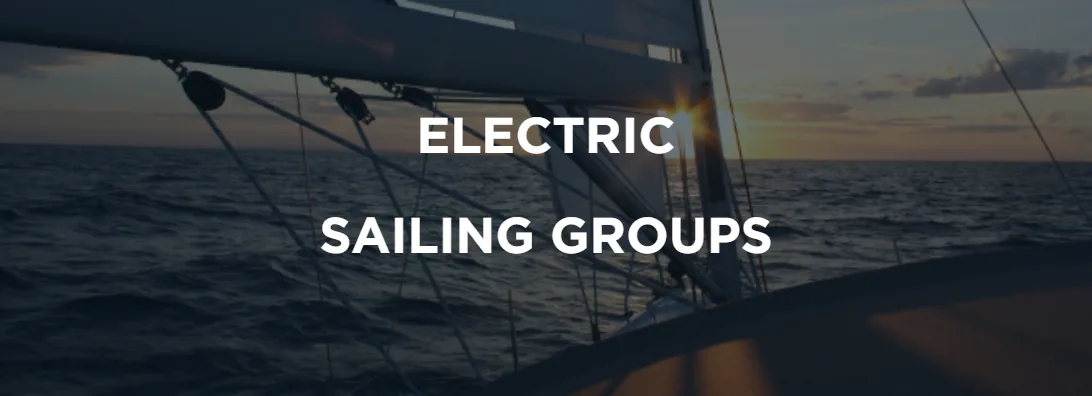
What Provis builtGroups by topic, with messagingGroups on electric propulsion topics, from motors and batteries to interiors, where members post, like, share, comment and message each other.
-
Too much to learn
Electric systems are new to most sailors, and the know-how is scattered.
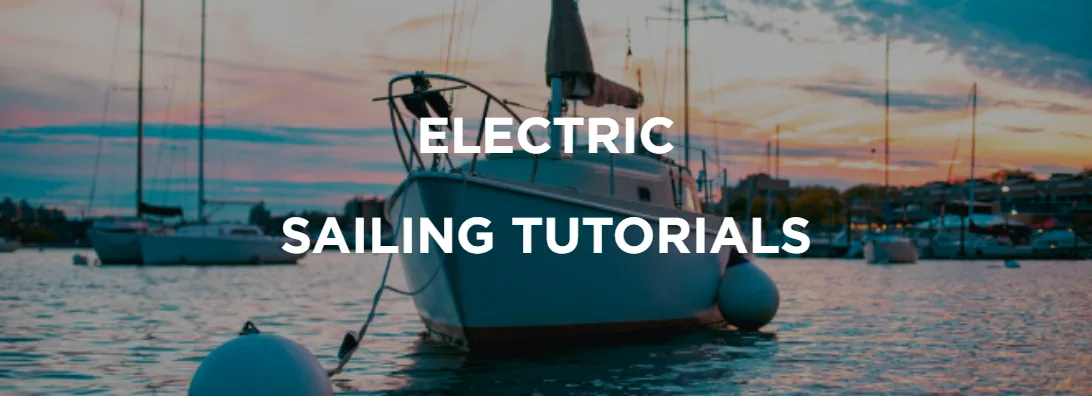
What Provis builtA tutorial video libraryShort tutorials on the essentials, stored on Vimeo and played inside the platform.
-
Vendors hard to find
Finding manufacturers, dealers and fitters for electric parts took guesswork.
What Provis builtA searchable vendor directoryVendors listed by product or service type. Businesses add themselves, and members follow vendors for webinars, demonstrations and offers.
Designed first, built in pieces the founder could test.
- Scope and designProvis turned Andrew's scope document into a full design in Figma, which Andrew reviewed before the build
- Built in piecesProvis put each part of the platform on a test site Andrew could use
- Paused, then picked upAndrew paused the project for several months. In his words, Provis picked it up as soon as he was back, “without missing a step”
- Launched, then kept growingProvis has kept adding to the same platform, with no rebuild
-
What it handles: member sign-up, owners adding their boats with photos and video, likes, shares, comments and messages, a vendor directory businesses add themselves to, and a blog run from an admin dashboard.
-
How it is built: a Laravel back end and a Next.js front end on AWS. Photos and video are served from AWS, and tutorial videos play from Vimeo inside the platform.
-
In the client's name: the code repo, AWS account and domain belong to Electric Sailboat Depot.
-
How it was run: Slack, Zoom, email and WhatsApp throughout. In Andrew's words, the bugs were “very few”, and Provis was “very responsive” to fixes.


On every Provis project:
You see the work as it is built.
One project lead as your single point of contact, and a written weekly update and a demo of what was built that week. The team works in India, on IST (UTC+5:30).
A staging link and your repo: the code goes straight into your repo.
QA before launch: our QA team tests every feature.
How Provis builds web platformsA homepage that leads with the four gaps.
Provis designed the platform in Figma, in Electric Sailboat Depot's own navy and sail red. The homepage gives each of the four gaps its own tile: the gallery, vendors, tutorials and groups.

The same team, after launch.
Since launch, Provis has:
opened the vendor directory, on the same platform
extended groups and messaging
improved the boat gallery and search
added to the blog and admin dashboard
handled maintenance and fixes, and still does
Andrew kept working with the team that built it. In his review he wrote that Provis has “deep technical knowledge that can satisfy my needs as my application grows”.
Support requests go to the developers who built it, with a reply within one working day.
Running a larger platform? Provis works this way with The Vault, an investor relations SaaS platform it has upgraded, never rebuilt, for more than ten years.
Got a scope, or an app that needs a new team?
Tell us what you have so far: a scope document, designs or a half-built app. If code already exists, we'll tell you whether to build on it or start again. We will come back within two working days with an approach, a rough timeline and a rough cost range. No charge, no commitment.
Already live? The same process carries over: design first, each piece on a test site, the code in your name, the same team after launch.
 WhatsApp us
Send us a message
indicates a required field