





Add ChatGPT-Style AI to the App You Already Have
Our LLM integration adds OpenAI, Claude or Gemini to your web or mobile app for answers, summaries, replies and search, and logs what every request costs.
 WhatsApp


Why adding a model to your product takes more than plugging in ChatGPT
Calling a model is the easy part. Getting good answers inside a real product, at a cost you can predict, and without breaking when a provider has a bad day, is the work.
-
“Our users stare at a blank screen while the AI thinks.”

Answers stream into the app as they are written, so people see the reply start straight away.
-
“We do not want to be tied to one AI provider.”

A model layer sits between your product and the provider, so a model can be changed in one place.
-
“We cannot tell what the AI is costing us.”

Every call is logged with its model and estimated cost, so the spend shows on a dashboard, not only on the bill.

AI features where your users already type, read and search
A model helps most inside the screens your users already work in. These are the features we build, and where we have done it.
-
Answers about orders and stock
The AI feature inside your product drafts answers to order, stock and delivery questions from your records, and hands off to a person when the records cannot answer.
ProvisCommerce support assistant (a pilot) -

Content from one line of text
A user types or speaks one sentence, and the app returns the caption, hashtags and artwork in their own brand.
Chitra -
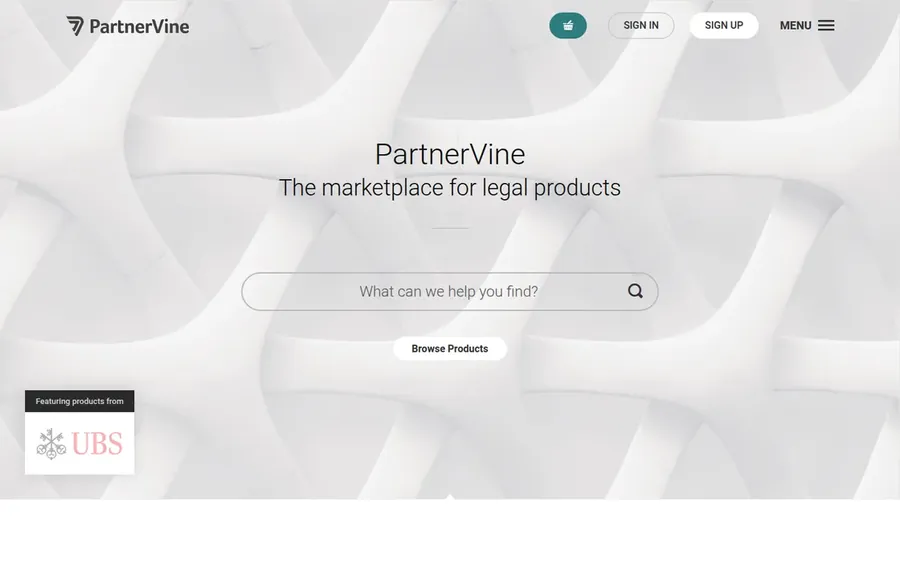
Answers from your own documents
Answers questions using only your own data, inside the portal your team already uses.
PartnerVine RAG system -
Search that understands the question
Users type what they want in their own words, and search returns what they meant, not only exact matches.
-
Summaries and replies in your app
A summary of a record, a draft reply or a translation, written where your users already work.
Want the app to read photos and voice notes too? See multimodal AI development
One model layer you can switch, and a cost log per request
You get the model working inside your product, behind a layer you can change. Tests show it answers well, and cost reporting keeps it in budget.
-

The feature in your product
Built into your web or mobile app, with answers that stream as they are written.
-

A model layer
One place that calls OpenAI, Claude, Gemini or an open model, so you can switch.
-

Data rules
What may be sent to the model, and what stays in your systems.
-

Failure handling
If the AI provider fails, it stops retrying and alerts your team, instead of showing a wrong result.
-

A test set of real questions
Real questions with the answers you expect, scored before any change ships.
-

Cost logging and a dashboard
Each request logged with its model, its usage (tokens, the units AI providers bill by) and its estimated cost.
In production
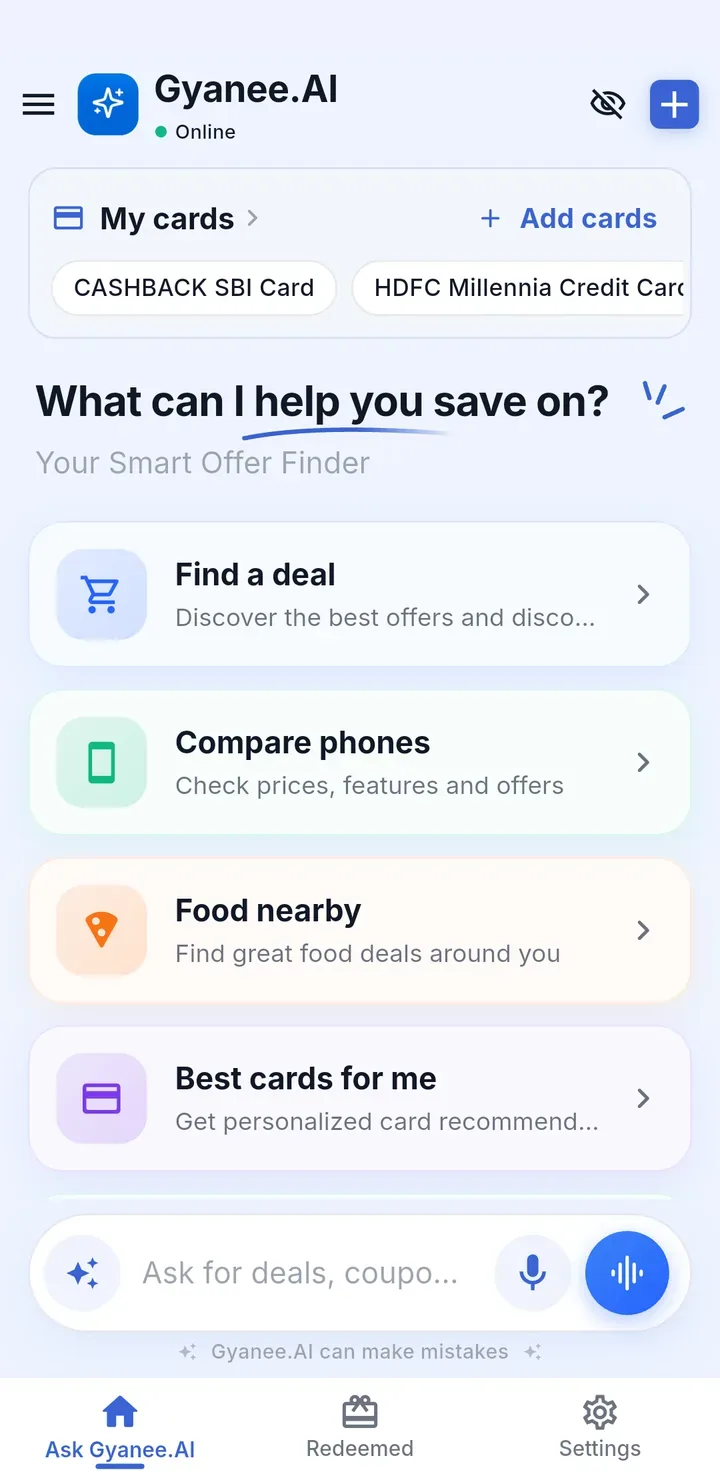
Gyanee.ai: language models inside a live shopping app
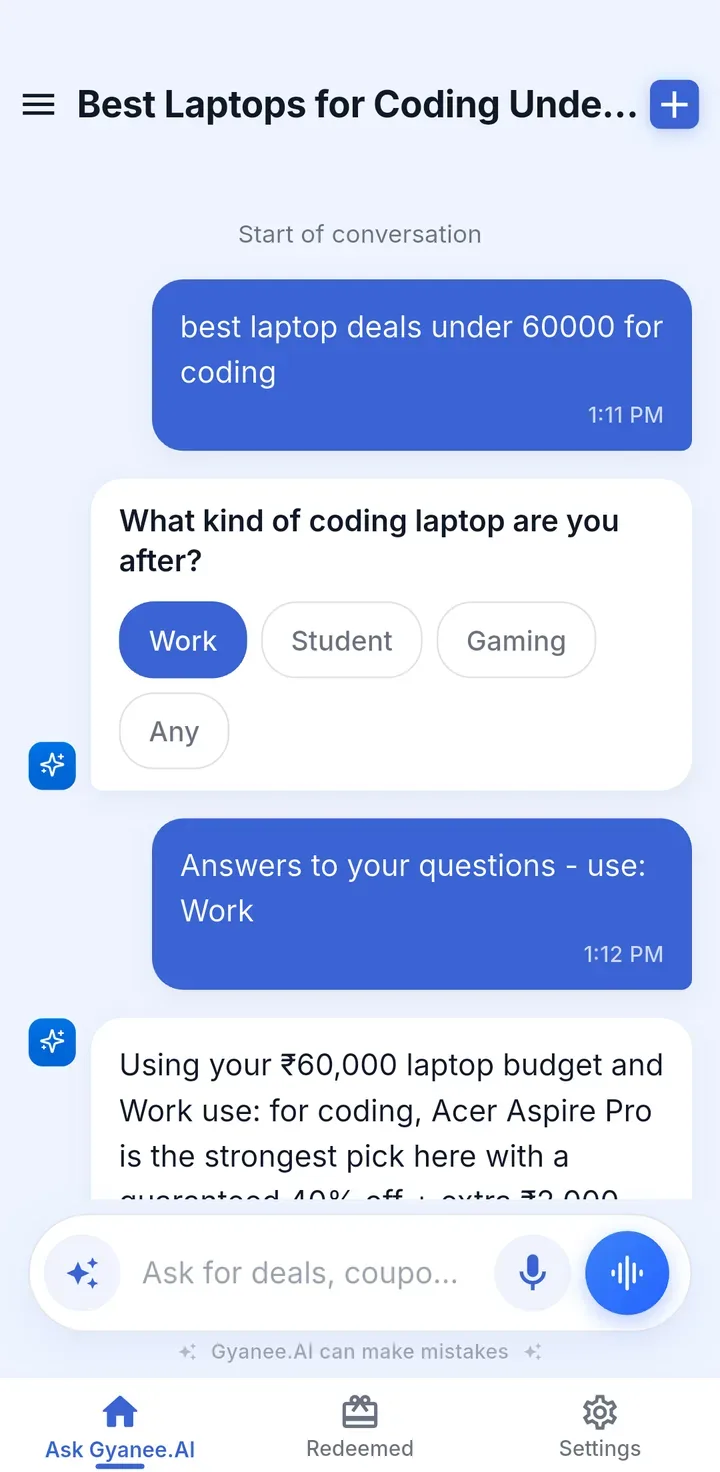
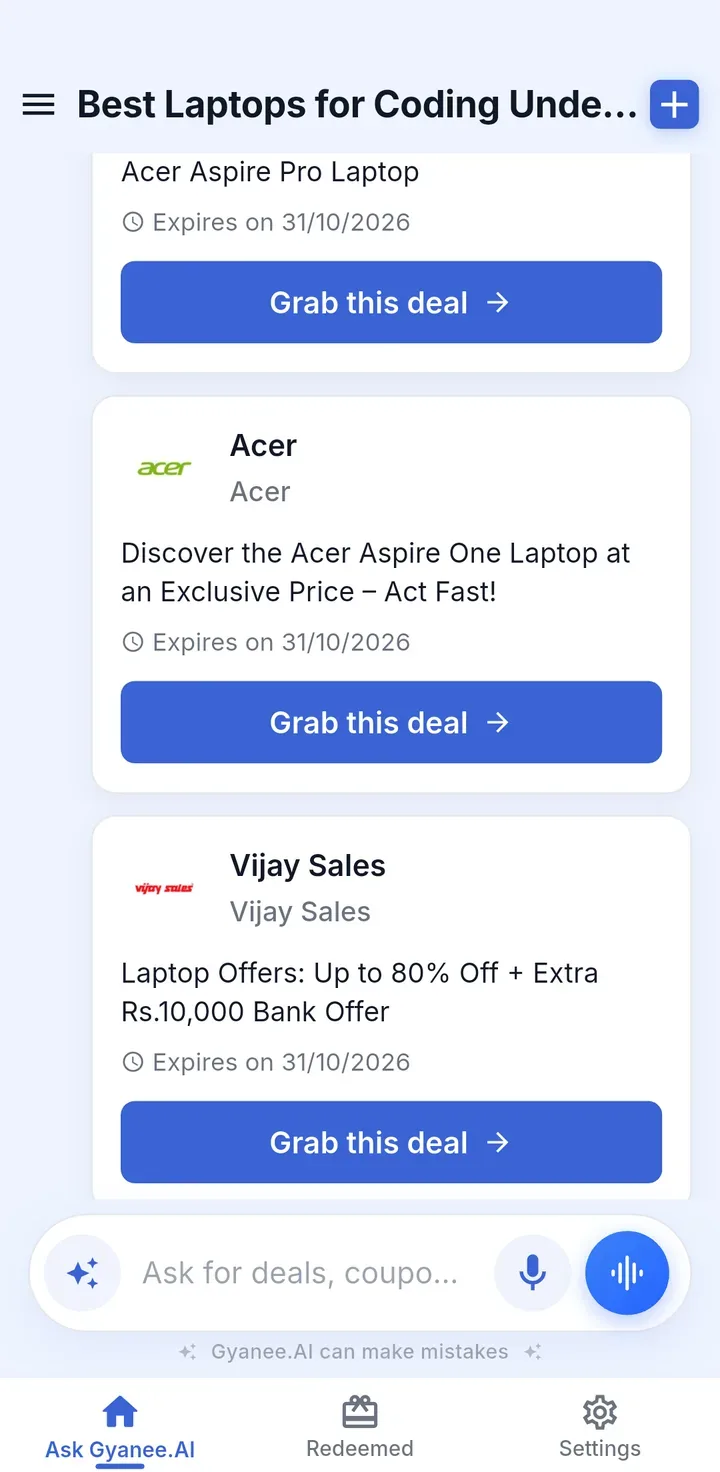
In Gyanee.ai, answers used to take 15 to 25 seconds to appear. Now they appear word by word as they are written. Gyanee.ai is an AI shopping assistant built by Provis, live on the web, Google Play and the App Store. Shoppers ask by text or voice in 9 languages, and the models behind it find deals, coupons and card offers, and know which of the shopper's own cards to use.
- Built
- Streamed answers, models called through OpenRouter (one connection to many AI models), test sets that score answers before a change ships, and AI cost dashboards.
- Model choice
- A cheaper model was tried and gave less honest answers, so the stronger model was kept, with a check that stops it being swapped by mistake.

How LLM integration works
LLM integration connects a large language model, such as OpenAI's GPT models, Anthropic Claude or Google Gemini, to software you already run. Your product sends the model a request with the context it needs, the model writes a reply, and your product checks it before your user sees it.
-
Request
A user asks for something in your product.
-
Context
Your product adds the records the answer needs, and leaves private fields out.
-
Model
The model layer sends it to the model chosen for that job.
-
Checks
The reply is checked, and the call is logged with its cost.
-
Answer
The answer streams into your product.
- Request “Summarise this customer's recent orders.”
-
Context
Adds the customer's last orders, with no phone or email - Model The model layer sends the request to the model chosen for summaries.
- Checks The reply is checked against the orders it was given, and the call is logged with its model and cost.
- Answer The summary streams into the customer page as it is written.
Had the provider call failed, the user would have seen a clear message instead of an empty or made-up summary.
We run language models inside our own live products
We integrate models the way we run our own AI products, inside the product people already use and with the model chosen for the job. We stay with you after launch.
 View our work
-
We ship live AI products
Gyanee.ai, which we built, and our own Chitra and ProvisCommerce are live on the App Store, Google Play and the web.
-
Built around your product
We add the model to the web or mobile app you already run and the records it reads, instead of rebuilding the product.
-
Support after launch
We monitor each AI feature after launch, watch its cost per request, and move it to a better model when one arrives.
-
Hours that overlap yours
We work on India Standard Time (IST): 4.5 to 5.5 hours ahead of London and 9.5 to 10.5 ahead of New York.
Tested before every change, with spending limits set
A model inside your product speaks for your business. We decide with you what it may see and say, test it before each change, and watch what it costs.
On every LLM integration we build
- Only the data an answer needs is sent to the model; private fields stay out.
- A test set of real questions runs before any model or prompt change ships.
- Every call is logged with its model and cost, with alerts and spending limits.
- If the AI provider fails, your users see a clear message, never a placeholder.
Begin with one feature your users will notice
We build that feature on a sample of your data and widen it once it has proved itself.

The models and tools we integrate with
Standard, widely used tools, so another team could take the code over. We pick the model for each job and can change it later, so you are not tied to one provider. We build on your product and in your cloud, with the tools below.
-
Models
OpenAI, Anthropic Claude and Google Gemini, and open models on Ollama when data has to stay on your servers.
-
 OpenAI
-
 Anthropic Claude
- Google Gemini
-
 Ollama
-
-
Model access
Each provider's own connection (API), or OpenRouter, one connection to many models.
- OpenRouter
-
Backend
Python and FastAPI with LangChain and LangGraph, on PostgreSQL with pgvector and Redis.
- Python
- FastAPI
- LangChain
-
 PostgreSQL
- Redis
-
Apps
Flutter for Android and iPhone, and your existing web app.
- Flutter
-
Your product
Your app, its API and its database, through the code we add to it.
Provis Technologies AI Integration services are phenomenal. We have been witnessing growth after the AI automation they have put into our business.

Name one feature your users would notice.
Tell us what your users should be able to ask for or get. We will show you the model we would start with, and how we would keep its cost in check.




Vivek SharmaCEO & Founder, Provis Technologies
Questions about LLM integration
What is LLM integration?

Connecting a large language model, such as OpenAI's GPT models, Anthropic Claude or Google Gemini, to software you already run. Your product sends the model a request with the context it needs and shows the reply to your user, with checks around it. The product stays yours; the model becomes one part of it.
Which models do you work with?
OpenAI and Anthropic models, Google Gemini, and open models we run with Ollama when data has to stay on your servers. In Gyanee.ai and Chitra we call models through OpenRouter, one connection to many models, so the model behind a feature can change without a rebuild.
Can you add AI to our existing product without a rebuild?
Yes. We add the model through your database and the connections your product already offers other software (its API), so the rest of the product keeps working as it does today. For TrueWholesale, we added AI to its live ordering platform without rebuilding it.
How do you choose the right model?
We compare candidate models on real examples from your business and keep the one that answers best for its cost. In Gyanee.ai a cheaper model was tried and gave less honest answers, so the stronger model was kept, with a check that stops it being swapped by mistake.
Will we be locked into one AI provider?
No. A model layer sits between your product and the provider, so switching is a change in one place, not across the product. Gyanee.ai has already switched AI providers once, from Azure OpenAI to OpenRouter.
Is our data kept private?
Where your data goes is your choice. With hosted models from OpenAI or Anthropic, it is processed by that provider. With open models we run on your own servers or cloud through Ollama, prompts and documents stay inside your network. Either way, we send the model only what an answer needs.
How do you stop the AI giving wrong answers?
We give the model the records it needs instead of letting it guess, and score it against a test set of real questions before each change ships. In Gyanee.ai, if the team was not sure a saving was real, it left the claim out.
What happens when the AI provider fails?
The request fails cleanly instead of showing a wrong or empty result. In Chitra, a failed provider call fails the post and gives the user's allowance back. After a payment error from the provider it stops retrying, and a scheduled job sends an alert when the balance runs low.
How do you keep running costs under control?
Every request is logged with its provider, model, usage (tokens) and estimated cost, as in Chitra, whose admin panel has a Generation costs page. Gyanee.ai has AI cost dashboards. We add limits and alerts, and use a cheaper model only where the test set shows it answers as well.
How much does LLM integration cost?
Three things drive the cost: how many features use the model, the data each one needs, and how much testing the answers need. Tell us what the model should do, and within two working days we come back with an approach, a rough timeline and a rough number.
How long does it take?
It depends on the feature and the systems it reads. We start with one feature your users will notice, so they use it before we build more. We agree the timeline at the discovery call.
Who owns the code?
You do. The code goes straight into your own code repository, and the cloud account and domain are in your company's name. Our team joins as collaborators, and you can remove our access at any time.
Can the feature take photos or voice notes as well as text?
Yes. Models such as Gemini take images and audio as well as text, and Chitra already turns a voice note into a finished post. Photo, voice and image inputs have their own page on this site: multimodal AI development.
Do you work with UK and US clients from India?
Yes. We sign an NDA before we start, on request, and work only in the accounts you invite us into. The code repository, cloud account and domain stay in your company's name, and you can remove our access at any time.

Work with experts
Built for teams that want AI inside the product they run
We add OpenAI, Claude, Gemini or an open model to your product, with the model chosen for each job and every call logged.
Prefer to talk directly?
-
 Emailsales@provistechnologies.com
-
 WhatsApp+91 88755 82124
-
 UK phone+44 7862 126522
-
 Video callBook 30 minutes with Vivek Sharma
We're on IST: 4.5 to 5.5 hours ahead of London, 9.5 to 10.5 ahead of New York.
-
1
 The feature
-
2
Your details
-
3
Additional info
Tell us what the model should do in your product
Describe the feature, the product it goes into, and anything the model must not see.
Prefer to talk directly?
-
Emailsales@provistechnologies.com
-
WhatsApp+91 88755 82124
-
UK phone+44 7862 126522
-
Video callBook 30 minutes with Vivek Sharma
We're on IST: 4.5 to 5.5 hours ahead of London, 9.5 to 10.5 ahead of New York.